
CourtSupreme Court of India
Decision8 February 2018
CollectionCorporate & Commercial / M&A
FormatCRUX Case Note
The Crux
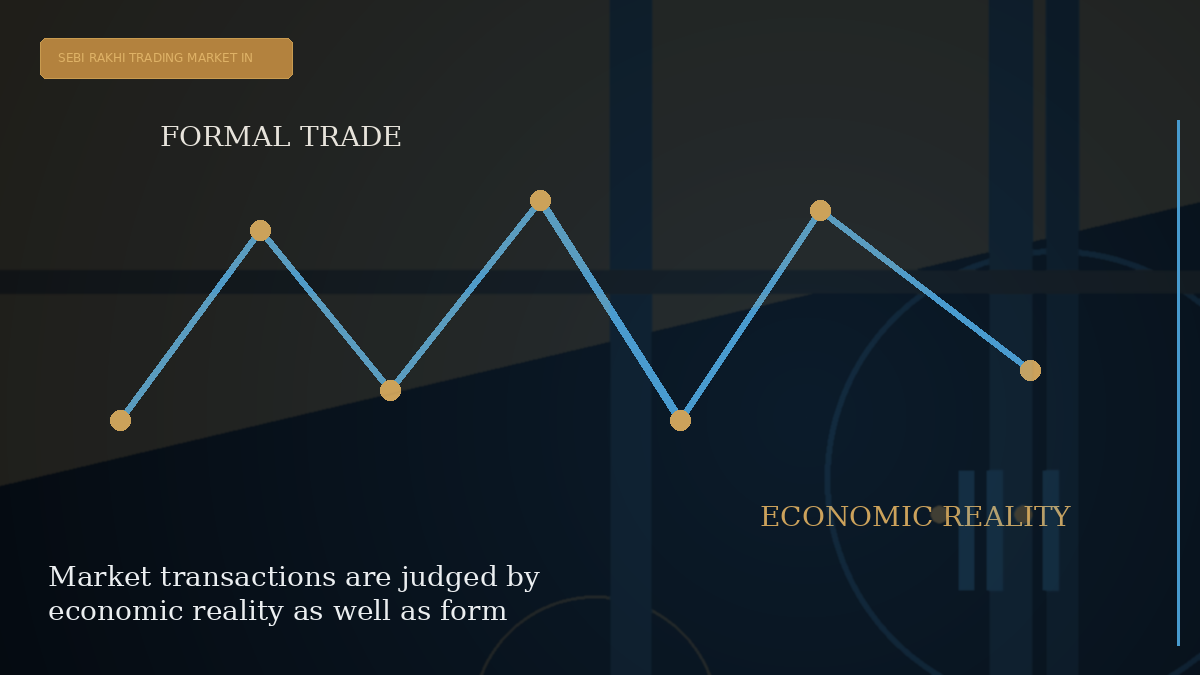
Artificial or synchronised transactions capable of creating a misleading appearance of trading can attract securities-law consequences even where their mechanics appear formally matched.
What the Court held
The Supreme Court considered synchronised and reversal trades and upheld a market-integrity approach to identifying non-genuine transactions.
Why it matters
The decision matters for regulated-market conduct, internal compliance, trading controls and the assessment of transactions that may distort genuine price discovery.
CRUX practice note
This note isolates the proposition most likely to matter in practice. The precise ratio, factual limits and subsequent treatment of the authority should always be checked against the judgment itself before professional reliance.
Official source
The link below is to the Supreme Court of India’s official website or judgment repository.
Official Supreme Court source
Securities and Exchange Board of India v. Rakhi Trading Pvt. Ltd. — official court source
The judgment text remains controlling. This CRUX note is an editorial summary for general information.
This Insight is for general informational purposes only and does not constitute legal advice.